
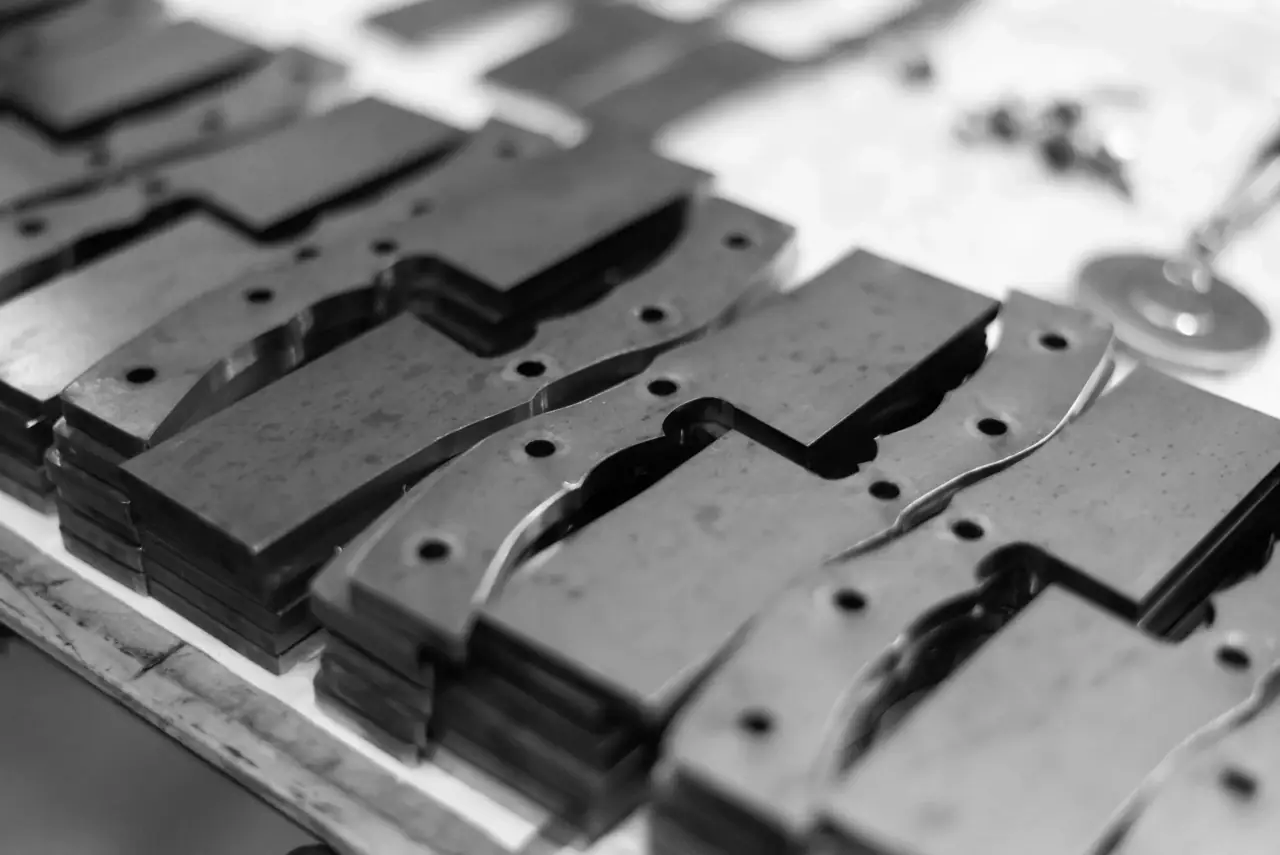
Aluminum
Grades: 2024, 6061, 7075
6061 is the general-purpose choice. It machines cleanly, welds well, and resists corrosion, which makes it the usual pick for brackets, housings, plates, and fixtures.
7075 is much stronger than 6061 and is used where weight matters and loads are high. It is harder to weld.
2024 offers high strength and good fatigue resistance and is common in aircraft structures. It has lower corrosion resistance than 6061.
Stainless steel
Grades: 304, 316, 17-4 PH
304 is the standard corrosion-resistant stainless for general parts, guards, and fittings.
316 adds molybdenum for better resistance to salt water and chlorides, so it is the usual choice for marine and coastal parts.
17-4 PH is a precipitation-hardening grade that can be heat treated to high strength. It is used for shafts, pins, and parts that carry load in a corrosive setting.
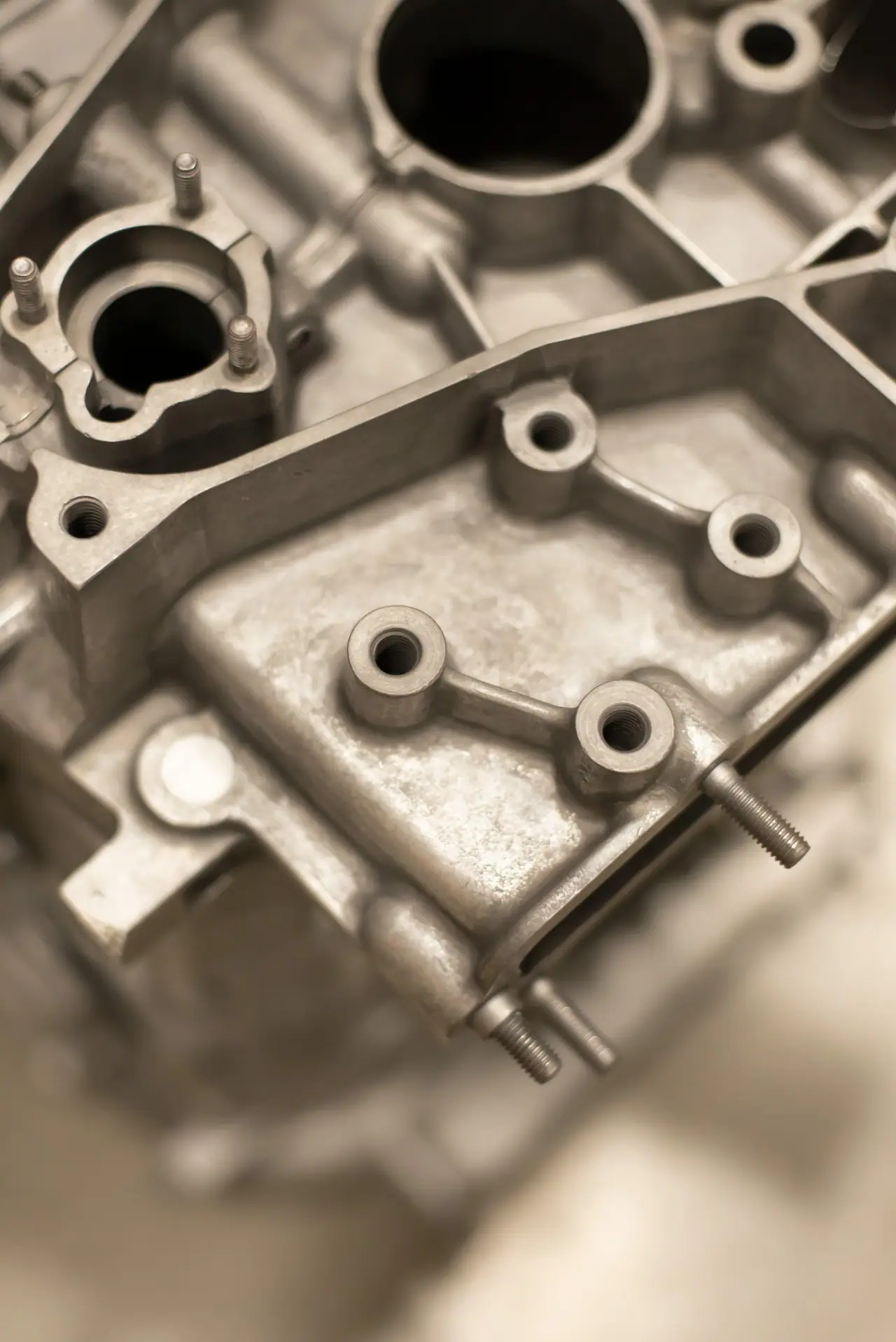
Mild and hardened steel
Grades: Ask about your grade
Mild steel is economical, easy to machine and weld, and suits structural parts, brackets, and general repair work. Hardened steel is used where a part has to resist wear. Tell us the grade or the job the part does and we will confirm it at quote.
Tool steels
Grades: A2, D2, H13
A2 is an air-hardening tool steel with a good balance of wear resistance and toughness.
D2 is a high-carbon, high-chromium steel with very high wear resistance, used for dies, punches, and wear parts.
H13 is a hot-work tool steel that holds up to heat and thermal cycling.
Brass, bronze, and copper
Grades: Common machining grades
Brass machines freely and is common for fittings and small precision parts. Bronze is the traditional material for bushings and bearings. Copper is chosen for electrical and thermal conductivity.
Titanium
Grades: Confirm alloy at quote
Titanium combines high strength with low weight and excellent corrosion resistance. It is slower to machine than aluminum or steel, so confirm the alloy with us when you ask for a quote.
Plastics
Grades: Delrin, UHMW, Nylon
Delrin (acetal) is stiff, dimensionally stable, and low friction, which suits gears, bushings, and precise machined parts.
UHMW is very abrasion resistant and slippery, and is common for wear strips, guides, and liners.
Nylon is tough and wears well in rollers, spacers, and sliding parts.
Not sure which material to use?
Tell us what the part does, what it bolts to, and where it lives, and we will help you choose. For unusual alloys or coated materials, contact us first so we can confirm compatibility. If you only have a worn sample, we can often reproduce it and give you a new drawing. See parts design and manufacturing.
Once the part is machined, we can finish it with powder coating, Cerakote, or sand blasting, and mark it by laser. See metal and part finishing and the full list of shop capabilities.